

Understanding Asexual Reproduction: Producing Genetically Identical Offspring
Biology is a science full of fascinating facts and topics. Whether you were a big fan of biology classes at school or not, there is so much more to explore. One of these intriguing subjects is asexual reproduction.
In this article, we will answer the following questions: What is asexual reproduction? How does it differ from sexual reproduction? And what are some examples of plants, animals, and other organisms capable of reproducing asexually?
Sexual Reproduction VS. Asexual Reproduction
Sexual reproduction is more common in nature than asexual reproduction. The vast majority of animals and plants produce genetically diverse offspring through the fusion of two gametes, or sex cells—one from a female and the other from a male.
Asexual reproduction, on the other hand, is prevalent in various organisms, including bacteria, fungi, and certain plants and animals. Since it does not involve male and female gametes, asexual reproduction typically results in genetically identical offspring. The only exception occurs when a genetic mutation arises during the reproduction process, leading to genetically distinct offspring.
Forms of Asexual Reproduction
Binary Fission
Binary fission, also referred to as fission, is a type of asexual reproduction commonly observed in prokaryotes and some single-celled eukaryotes. In this process, a mature parent cell splits into two new daughter cells.
During binary fission, the genetic material is duplicated and divided into two parts, ensuring that each daughter cell receives an identical copy of the parent cell’s DNA. Most bacteria, including Streptococcus pneumoniae, which causes pneumonia, and Proteus mirabilis, which leads to urinary tract infections (UTIs), reproduce using this type of asexual reproduction.
By understanding the science behind binary fission, biology researchers can develop effective antibiotics. Since bacteria reproduce as genetic clones, a single antibiotic can often eliminate them all. However, some bacteria are more prone to mutations (the change in genetic material). Antibiotics do not work against these mutated bacteria, leading to the development of antibiotic resistance.

While binary fission might appear to be a straightforward process, successful reproduction only occurs under optimal conditions. If the timing or environmental conditions are unsuitable, the newly formed cells may not survive. The duration of the reproductive process varies between bacterial species.
For example, Escherichia coli—a type of bacteria that can cause illnesses such as diarrhea and urinary tract infections—typically reproduces every 20 minutes at 37°C. This is why healthcare institutions always emphasize the importance of thoroughly cooking meat. High cooking temperatures prevent bacteria like E. coli from reproducing or surviving, ensuring the meat is safe to eat.
Some unicellular eukaryotic organisms also undergo binary fission through mitosis. In these cases, binary fission allows the organism to grow larger or replace old, worn-out cells with new ones.
Parthenogenesis
Parthenogenesis is a fascinating form of asexual reproduction where an organism can produce offspring without fertilization. Simply put, it’s a process where a female can develop an embryo—female gametes—without the need for sperm. In rare cases, this process can also involve male gametes.
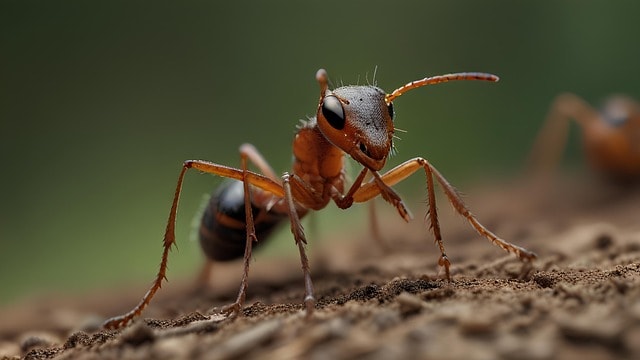
Parthenogenesis occurs in certain plants, invertebrates like rotifers, aphids, ants, stick insects, wasps, and bees, and occasionally in higher vertebrate animals such as sharks, lizards, and snakes.
Facultative Parthenogenesis
Facultative parthenogenesis happens when a female can reproduce either sexually or asexually, depending on environmental conditions. This is extremely rare in nature and is observed in species like the Mayfly, California condor, and Smith’s tropical night lizard.
Additionally, there have been rare and remarkable cases of parthenogenesis documented in terrestrial or marine zoos. For instance, two female Komodo dragons, a hammerhead shark, and a blacktip shark have produced parthenogenic young without the involvement of sperm cells, while being fully isolated from males.

Automictic Parthenogenesis
In automictic parthenogenesis, the reproductive cells go through a process called meiosis—a type of cell division that reduces the chromosome number by half. The offspring produced this way are genetically very similar to the mother and are considered her clones.
The following animals have been observed reproducing asexually in captivity:
- Whiptail lizards
- Pythons and boas
- Some shark species
When these animals find themselves in isolated environments without males, they can produce viable offspring without fertilization, showcasing an incredible survival mechanism.
It may seem very similar to facultative parthenogenesis, but there is a key difference. Automictic parthenogenesis refers to a specific asexual reproduction mechanism that involves meiosis, whereas facultative reproduction is the ability to switch between sexual and asexual reproduction based on environmental conditions.

Bees and Parthenogenesis: How Hives Thrive
Bees are a fascinating example of parthenogenesis in nature. In bee colonies, reproduction occurs in unique way:
- Unfertilized eggs turn into haploid males. The male bees also known as Drones have only one set of chromosomes.
- Fertilized eggs turn into diploid females—workers bees, who have two sets of chromosomes.
- If the fertilized egg is specifically nurtured, it becomes a queen bee.
This unique reproductive strategy ensures the hive’s balance and survival, supporting an efficient division of labor and the species’ propagation. As environmental conditions change, bees adapt quickly—whether they need more drones to explore new territories or more workers to collect nectar during the peak of the blossoming season, they adjust accordingly. This flexibility highlights the remarkable efficiency of their reproductive system in maintaining a thriving colony.

Haploid Cells and Haploid-Dominant Life Cycles
Some organisms, like fungi, have a unique life cycle dominated by haploid cells (cells with a single set of chromosomes). For instance, black bread mold, which consists of eukaryotic cells, is an example of fungi with a haploid-dominant life cycle.
Here’s how asexual reproduction (parthenogenesis) works in this case:
- The haploid stage produces specialized cells by mitosis.
- These haploid cells fuse to form a diploid zygote (a cell with two sets of chromosomes).
- The zygote undergoes meiosis to create haploid spores (reducing the number of chromosomes in twice).
- Each spore grows into a multicellular haploid organism, completing the cycle.
Parthenogenesis showcases nature’s incredible adaptability of eukaryotic cells. Whether in tiny insects or large reptiles, the asexual reproduction ensures survival in challenging conditions where traditional mating might not be possible.
Why Aphids Reproduce Asexually in Summer
Aphids cleverly utilize both forms of reproduction—asexual reproduction during summer months and sexual reproduction during other parts of the year. Scientists have discovered that aphid populations grow exponentially from early June to late August, with the majority of these populations consisting of female aphids.
In summer, aphids rely on asexual viviparous reproduction, a process in wich an unfertilized egg becomes a fully-functioned organis. This process isessential for their rapid population growth during the peak growing season. Aphids live in large colonies, and they are highly vulnerable to environmental changes. Through natural selection, only the strongest genotypes survive, ensuring the species’ resilience and ability to adapt to changing climates.
The primary purpose of sexual reproduction for aphids is to produce eggs that will be used to survive the winter months.
This reproductive strategy not only allows aphids to thrive in favorable conditions but also ensures their survival as a species in the long run.

Budding
Budding occurs commonly in various cnidarian species, including yeast, corals, hydras, flatworms, jellyfish, and sea anemones, and it’s a fascinating method of asexual reproduction. This process involves the formation of an outgrowth of a part of a cell or body region, or “bud,” from a specific part of the parent organism’s body, such as a coral polyp on a parent coral.
During budding, a part of the parent organism grows outward, eventually developing into a fully mature individual. Once the bud reaches maturity, one of two outcomes occurs:
- Separation and Independence: The mature bud detaches from the parent organism and attaches to a nearby surface, becoming an independent organism.
- Colony Formation: The bud remains attached to the original organism, forming aggregates or colonies. Even though these individuals remain physically connected, they function as two separate organisms and do not rely heavily on each other for survival.

Sporogenesis
Many multicellular organisms, including vascular plants, fungi and algae, use spore formation as one stage in their biological life cycle. While some of these organisms undergo sexual reproduction, others, such as conidial fungi like Aspergillus and Penicillium, reproduce asexually by forming spores.
For some fungi, reproduction involves a combination of mitotic and meiotic sporogenesis, which includes meiotic division. Additionally, some multicellular organisms can alternate between sexual and asexual reproduction depending on environmental and evolving conditions.

Fragmentation
Fragmentation is one of the simplest forms of sexual reproduction. It doesn’t involve either a male gamete or the production of egg cells. This process occurs when an organism loses a part of its body and undergoes subsequent regeneration. Essentially, the offspring develops from a fragment of the parent’s body.
For example, many sea stars reproduce asexually through fragmentation. If the body of a sea star breaks into two large parts, cell division allows the creation of two identical sea stars, each with the same DNA enclosed in a cell membrane. The pace of cell division depends on various factors, so regeneration can take anywhere from a few months to as long as three years.

Androgenesis
Androgenesis is a rare form of reproduction in which only the paternal nuclear genes are used to produce the zygote. Interestingly, the offspring still inherit maternally derived mitochondria, as is typical for most sexually reproducing species.
In androgenesis, the maternal genetic material is excluded from the zygote and have no genetic contribution. This can happen in one of two ways:
- The maternal nuclear genome is eliminated after fertilization.
- The female produces an egg that lacks a nucleus entirely.
Despite the absence of maternal nuclear DNA, the offspring retain maternally inherited mitochondria, which play a vital role in energy production and cellular function.
Androgenesis is observed in many invertebrates, including sea creatures like clams and terrestrial insects such as stick insects, ants, and bees. Some vertebrates, particularly certain amphibians and fish, also exhibit androgenesis. For instance, Squalius alburnoides, an allopolyploid fish species, reproduces using this method.
Vegetative Reproduction
Vegetative reproduction is a form of asexual reproduction in plants, including flowering plants and seed plants, where new organism grow from parts of the parent plant. Depending on the plant species, different parts can be used for reproduction:
- Stem: Examples include roses and grapevines.
- Leaf: Examples include begonias and violet flowers.
- Bud: Examples include strawberries and blackberries.
- Root: Examples include sweet potatoes, ginger, and daffodils.
Asexual reproduction in plants also involves various types of roots and structures, such as:
- Tunicate bulbs: Found in daffodils.
- Corms: Found in gladiolus and garlic.
- Non-Tunicate bulbs: Includes scaly bulbs in lilies.

In many plants, vegetative reproduction occurs naturally. For example:
- Strawberries: Reproduce through buds that grow from runners, which are horizontal stems.
In other cases, vegetative reproduction can be artificially induced:
- Roses: Propagated by cutting stems from the parent plant into pieces and planting them to grow new plants.

This type of asexual reproduction is widely used in agriculture and horticulture to produce genetically identical new plants with desirable traits, ensuring consistent quality and yield.
The Advantage of Asexual Reproduction over Sexual Reproduction
Although sexual reproduction, which involves sex cells, is more common and promotes higher genetic diversity, asexual reproduction plays a vital role in sustaining populations of some plants, fungi, bacteria, and animals. This method allows organisms to produce offsprings in larger quantities and grow asexual population faster, ensuring that offspring inherit the same beneficial traits as their parent.
A common misconception is that asexual reproduction is limited to plants, but this isn’t true. Animal asexual reproduction occurs and can be observed in animal species ranging from condors and tropical night lizards to sharks and sea anemones.
From spore formation to other strategies that multicellular organisms have evolved, asexual reproduction showcases fascinating adaptations that can be hard to grasp. These processes highlight the incredible diversity of life on Earth.
By understanding and valuing these natural mechanisms, we can better appreciate the unique ways in which every organism is designed to thrive in its environment.
Sexual and Asexual Organisms Are Designed to Thrive in Their Environments
Just as organisms are built to be herbivores, carnivores, or omnivores to meet their unique needs and adapt to specific environments, they are also designed to reproduce asexually, to reproduce sexually, or even to be capable of both.
Asexual reproduction and sexual reproduction are both equally vital for the survival and evolution of species. Whether the embryo arises from an unfertilized or fertilized egg cell, and whether reproduction involves the ability to produce gametes, each method ensures the continuation of life in its own remarkable way.